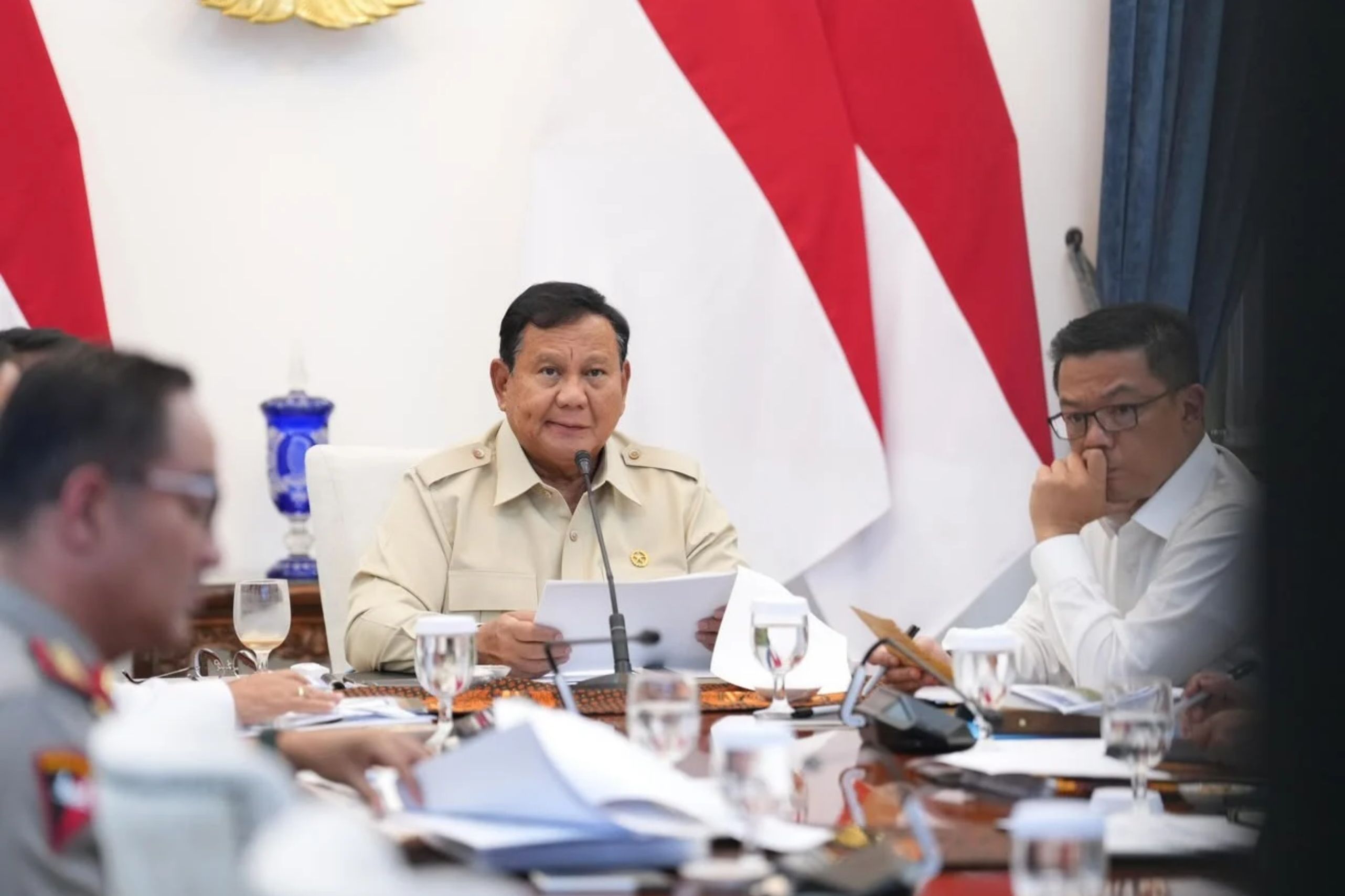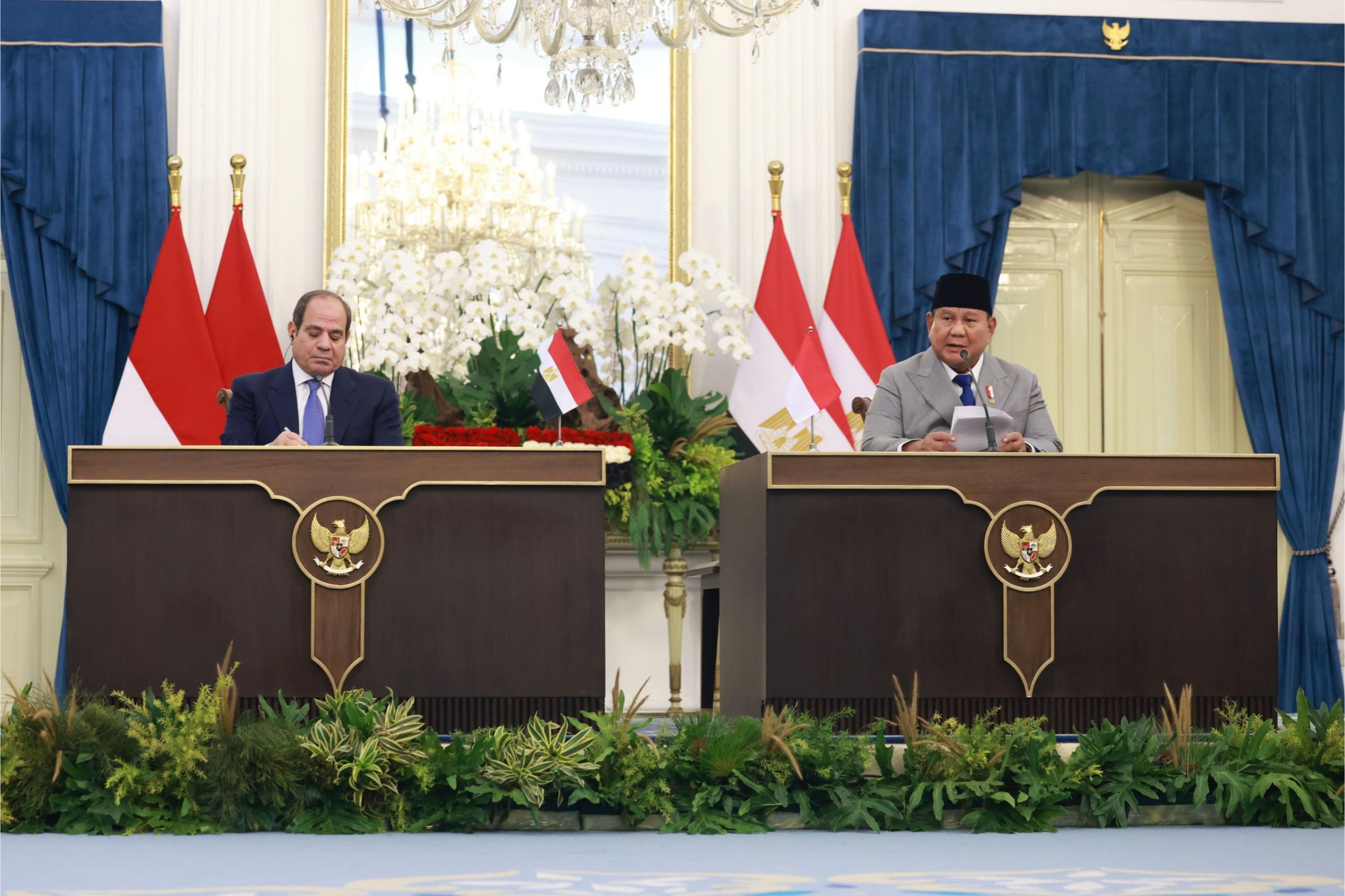
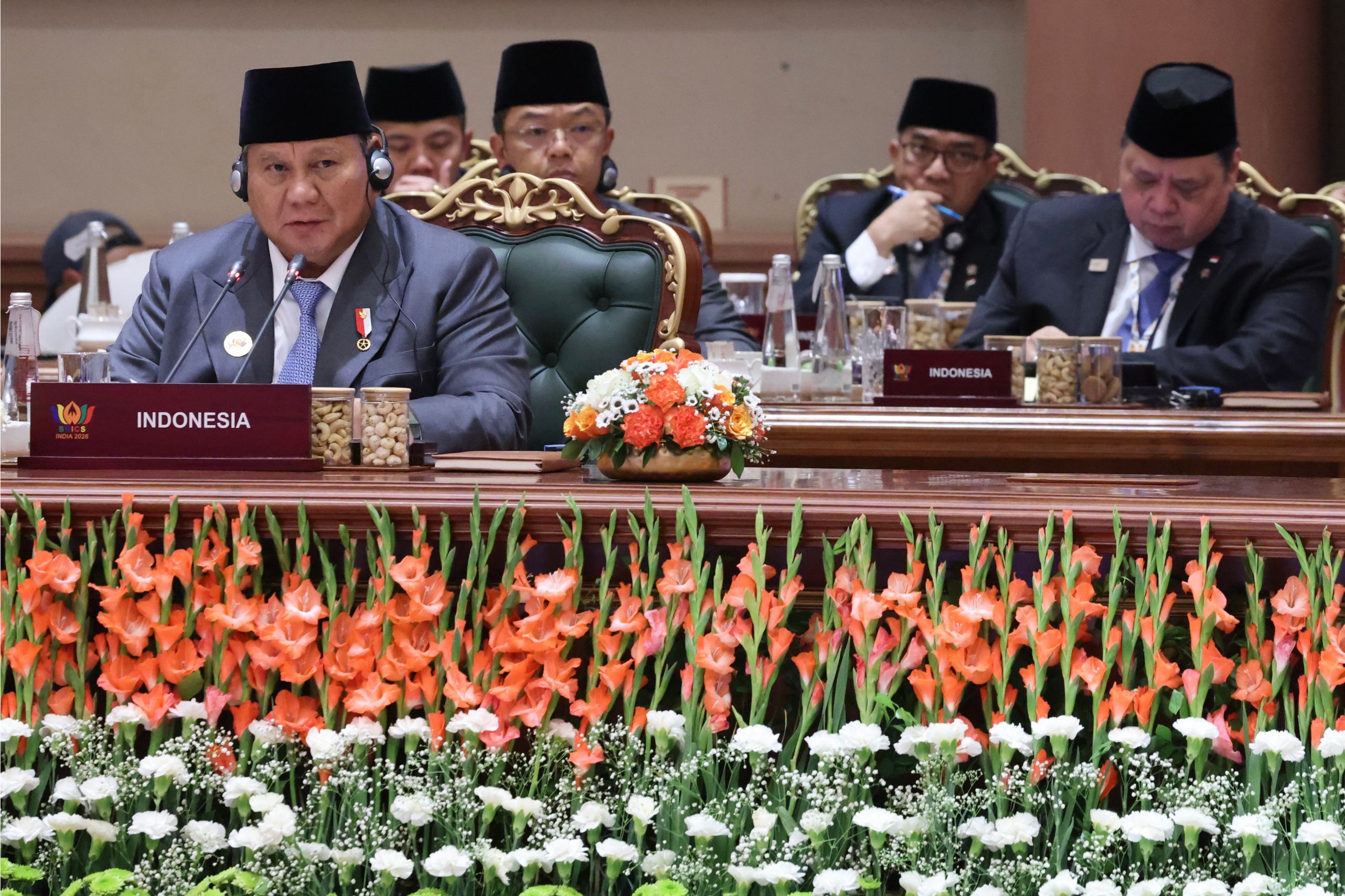
New Delhi, September 13, 2026 – President Prabowo Subianto on Saturday reaffirmed Indonesia’s commitment to its independent foreign policy and called on developing nations to deepen cooperation, underscoring the country’s free and active diplomacy amid an increasingly multipolar world.
Speaking during the closed session of the 18th BRICS Summit in New Delhi, India, Prabowo stressed that national resilience and independence were essential foundations for building trust, preserving peace and preventing excessive dependence on major global powers.
“We do not like to be dictated to by any one or two powers. We must be resilient, and then we become really independent,” Prabowo said, adding that such national strength begins with the ability to meet the basic needs of the people, including food, energy, education and opportunities for prosperity.
Building on this domestic foundation, he urged BRICS member states to translate individual national strength into broader cooperation. By working together in key sectors such as energy and food security, he noted, Global South nations can better protect their shared interests on the world stage.
Prabowo highlighted that BRICS represents roughly half of humanity and accounts for a significant share of the global economy and trade, with each member bringing distinct strengths.
The bloc, established in 2009, now comprises developing and emerging economies that account for nearly 49 percent of the world’s population and around 40 percent of global GDP, according to the official 2026 BRICS website.
Combined, he said, those strengths could generate enormous collective capacity to create shared prosperity and reduce reliance on other global powers.
“Imagine what BRICS can achieve if this strength is fully mobilized to help secure food and energy supplies. Imagine if our markets, capital, resources, technology and knowledge are better connected, creating greater opportunities for the developing world,” he added.
Prabowo added that BRICS’ collective strength should also translate into a stronger voice for the Global South in shaping the international order.
As the Global South’s influence grows, he said, developing nations can speak with greater confidence and coordination in building a stronger multilateral system that serves the interests of both stronger and weaker countries.
He recalled the spirit of solidarity embodied in the 1955 Asian-African Conference in Bandung, West Java, which brought together newly independent nations to promote peace, economic cooperation and resistance to domination by major powers. According to Prabowo, the conference remains a reminder that developing countries must continue working together to safeguard their national interests.
“We understand that by standing together, our voices will carry further. Our interests can be better protected and advanced. This lesson remains very important,” Prabowo said.
He therefore called on BRICS to strengthen its capacity to contribute to global resilience so that countries in the Global South can determine their own future and expand opportunities for their people.
“This is the kind of collective strength we need, strengths that do not remain on paper, but translate into opportunities for our people. Strengths that allow the Global South to have a greater voice in shaping its own future,” Prabowo said.
“Together, we can make our strength count.”