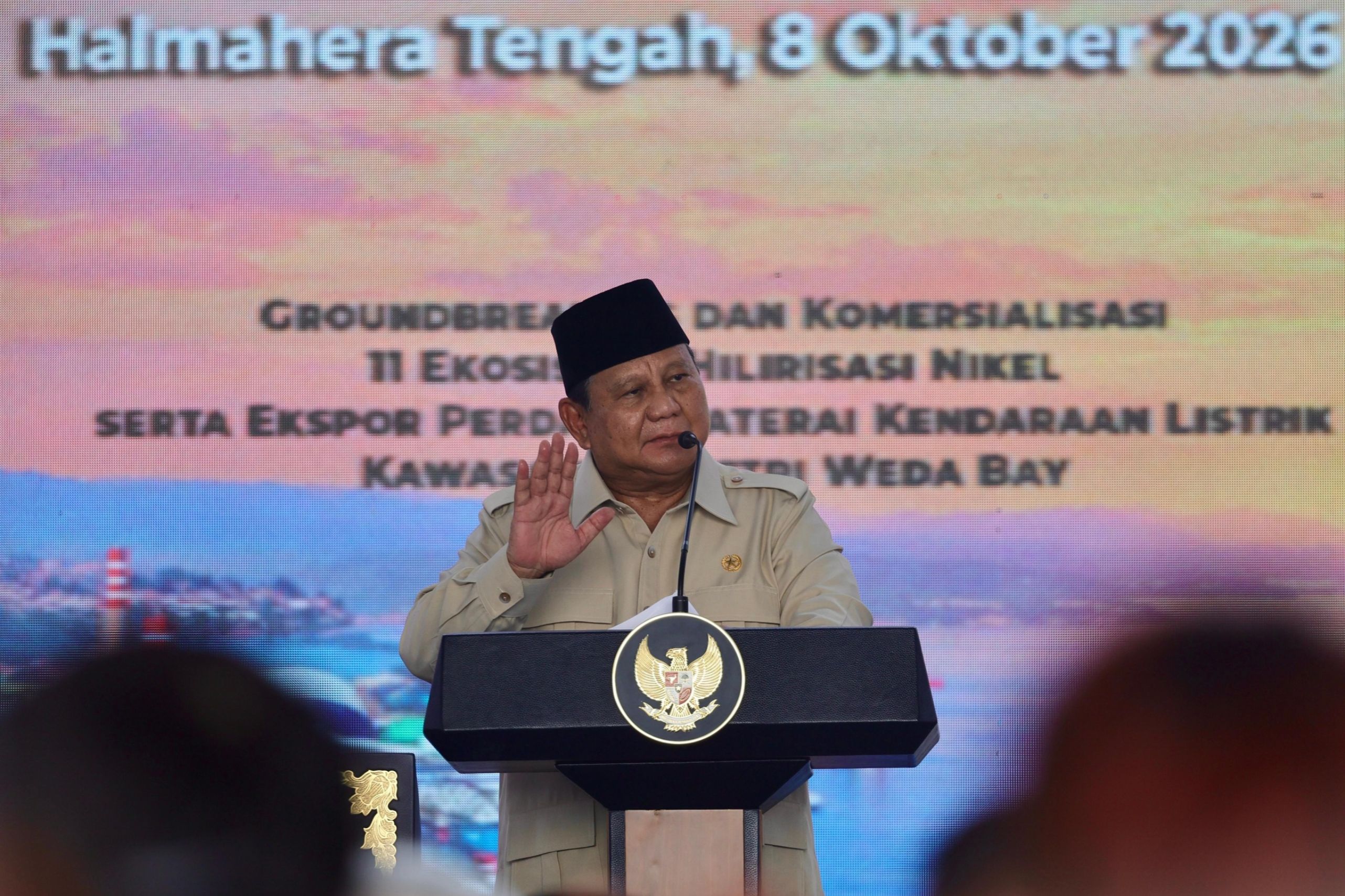
Jakarta, October 8, 2026 – Indonesia on Thursday officially launched its first electric vehicle (EV) battery export as part of efforts to rapidly build an integrated domestic battery supply chain, paving the way for the country to become a prominent player in the global nickel and EV battery supply chain.
The battery was produced at the Indonesia Weda Bay Industrial Park (IWIP), an integrated nickel mining and processing complex in Central Halmahera, North Maluku. Designated as a National Strategic Project (PSN), IWIP is expected to become a key hub for nickel downstreaming and EV battery production.
The initial shipment was part of a USD 3.5 billion commercial production and export launch involving four nickel downstreaming companies operating in the industrial zone.
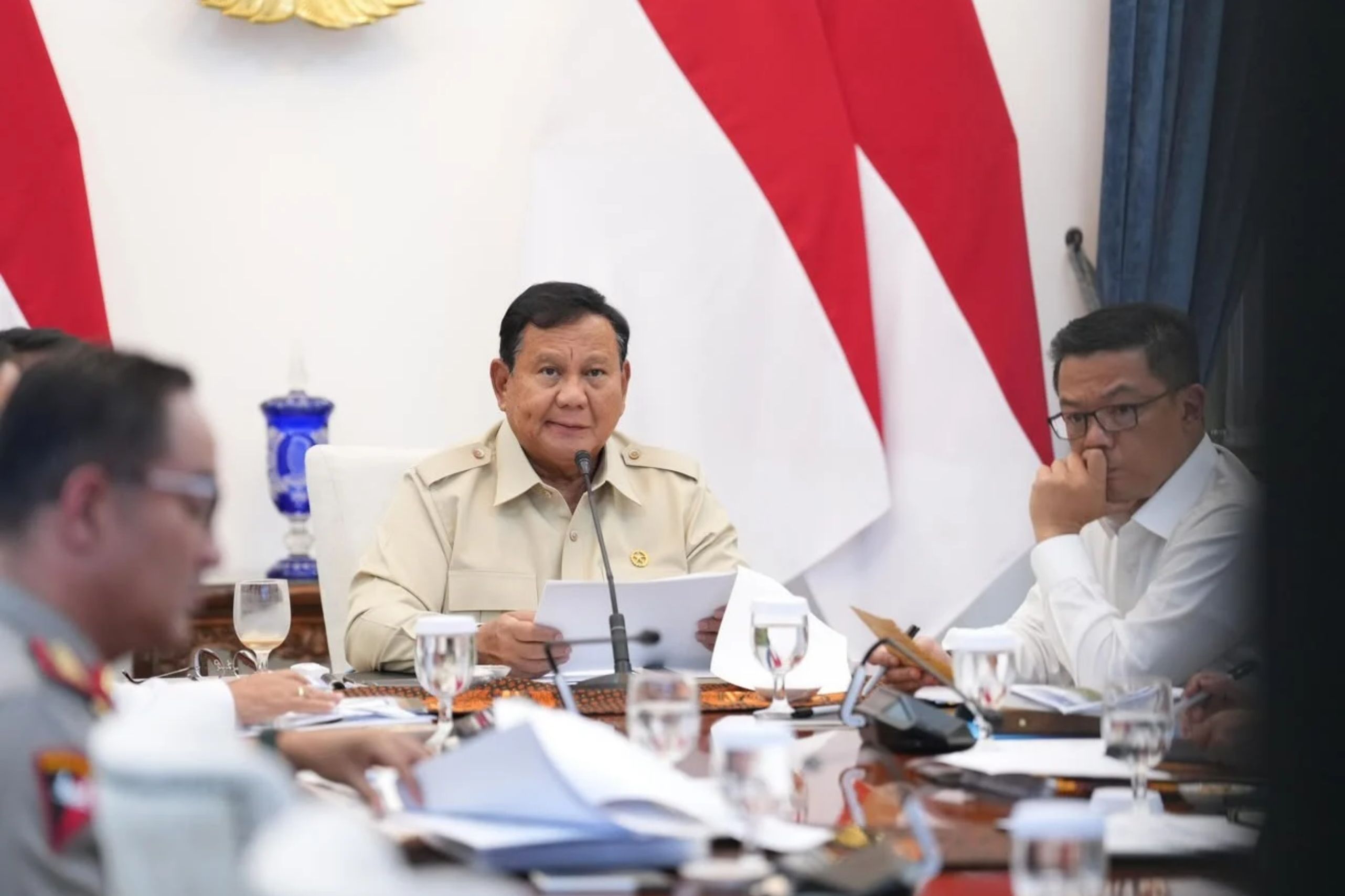
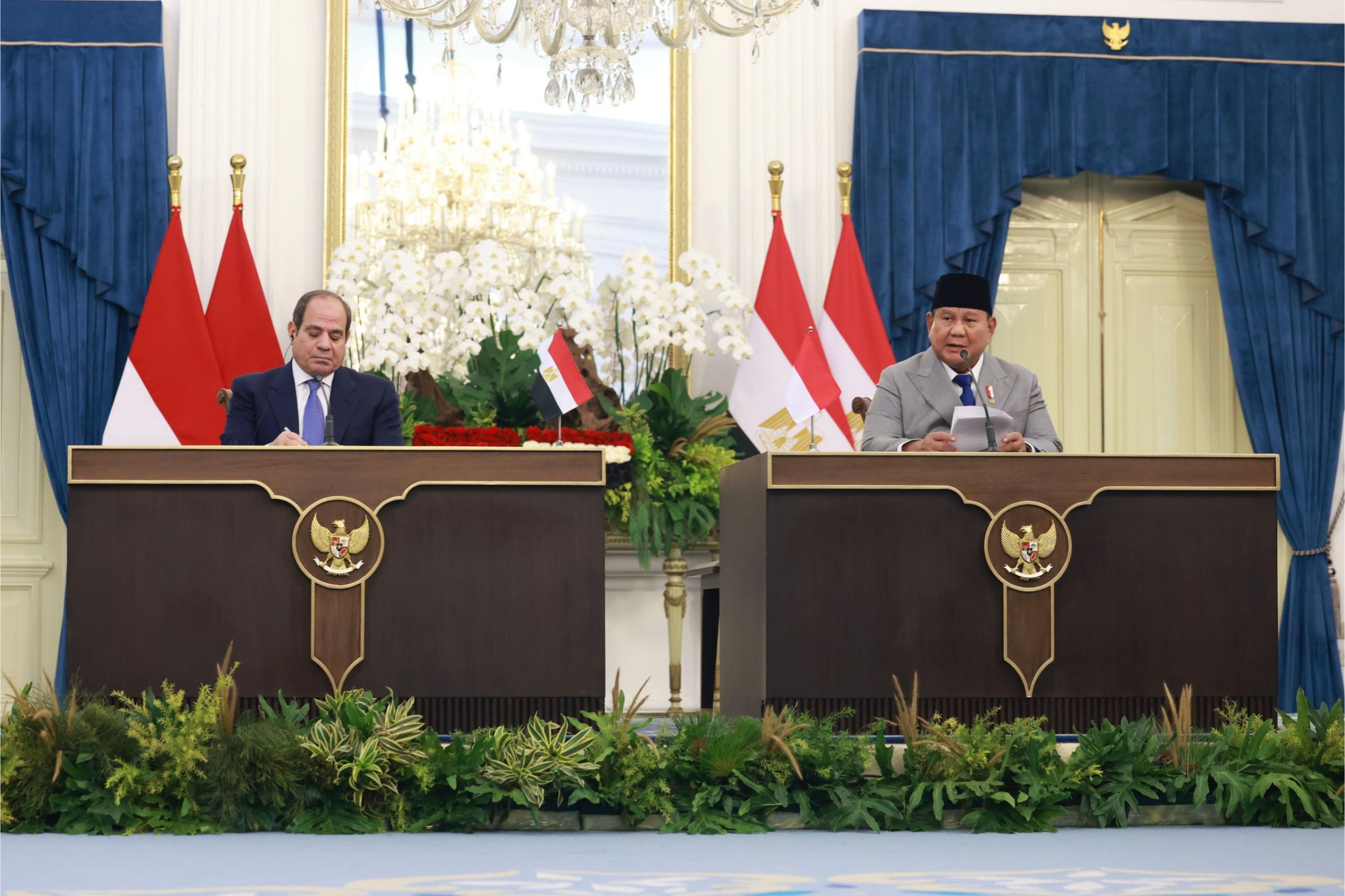
Speaking at the launch ceremony, President Prabowo Subianto described the initial export as an “important step” in Indonesia’s push to downstream its strategic minerals, calling it a milestone in the country’s drive toward high-value industrialization.
“The first export of electric vehicle batteries marks an important step. It is clear proof that our downstreaming strategy is on the right track, and we will continue to advance it as effectively as possible,” the President said.
Natural resource downstreaming has been a priority of Prabowo’s administration and has become a key pillar of his eight-point flagship agenda, known as Asta Cita. The government expects downstreaming to not only add value to Indonesia’s natural resources but also strengthen national resilience amid a dynamic global geopolitical landscape.
Nickel is at the center of the strategy, given Indonesia’s abundant reserves and the metal’s growing importance in the global energy transition.
According to 2026 data from the United States Geological Survey (USGS), Indonesia produced around 2.6 million tons of mined nickel in 2025, accounting for over 60 percent of global output and making it the world’s largest producer. The country also holds nearly 45 percent of global nickel reserves, according to the same data.
Prabowo said the downstreaming push was part of Indonesia’s efforts to manage its natural wealth for the benefit of its people, adding that the government would continue to support investment in the sector.
“The Almighty God has bestowed upon us a great wealth of highly valuable natural resources. But these natural resources must be managed properly so that they can bring welfare and prosperity to our people and our nation,” Prabowo said.
Speaking at the same event, Investment and Downstreaming Minister Rosan Roeslani expressed optimism that Indonesia was on track to become a key player in the global EV battery supply chain as the country works to establish an end-to-end nickel ecosystem, with IWIP serving as one of its key hubs.
Since breaking ground in 2018, IWIP has developed into an integrated nickel-processing complex producing nickel matte, electrolytic nickel and EV batteries. It is also expected to begin producing battery cells in the second quarter of next year.
IWIP has attracted USD 26 billion in realized investment focused on downstreaming, with Rosan saying another USD 6.8 billion in realized investment would flow into the industrial park after six projects broke ground this month. The industrial park has also contributed to job creation, employing approximately 117,000 workers since its establishment.
Together with the Indonesia Morowali Industrial Park (IMIP) in Central Sulawesi, IWIP is expected to form the backbone of Indonesia’s EV battery ecosystem, including battery recycling.
“This will mean that the entire ecosystem is already here. We will become part of the global electric vehicle battery supply chain,” he said.
He further highlighted that more than 75 percent of downstreaming-related investment had been realized outside Java, particularly in eastern Indonesia, making the sector an important driver of regional growth and helping narrow the economic gap between regions.
North Maluku, he said, was a case in point. Once largely dependent on mining, the province has emerged as an industrial hub, with its economy growing 34.17 percent year-on-year and its trade surplus reaching Rp31.1 trillion (around USD 1.7 billion) in 2025.
“These exports are driven by processed nickel products, including ferronickel, nickel matte, MHP (Mixed Hydroxide Precipitate), nickel sulfate and cobalt,” he explained.