Jakarta, November 5, 2026 — Indonesia’s economy grew 5.47 percent year-on-year in the third quarter of 2026, up from 5.04 percent in the same period last year, as strong household consumption and the realization of several government flagship programs supported domestic economic activity.
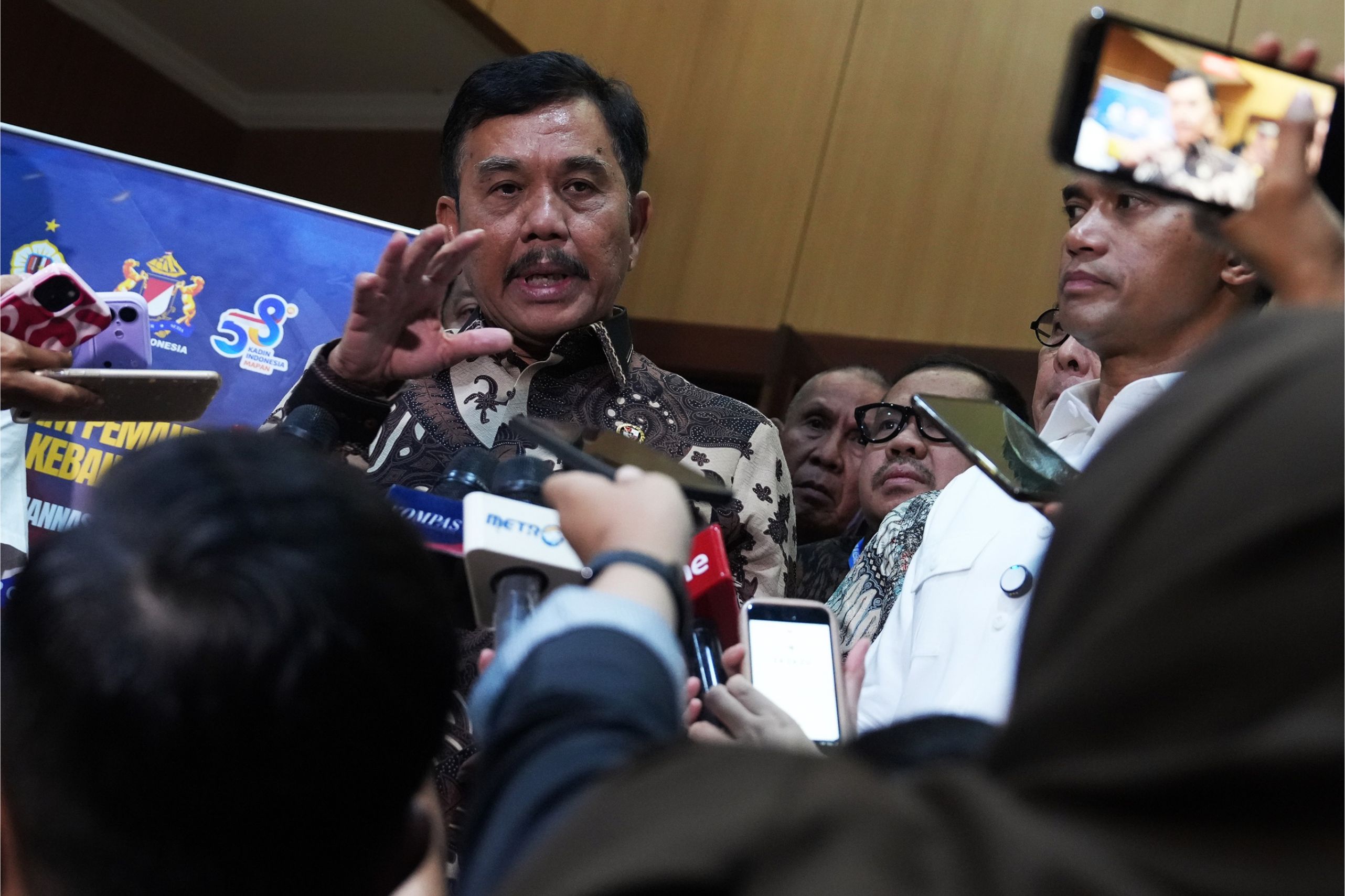
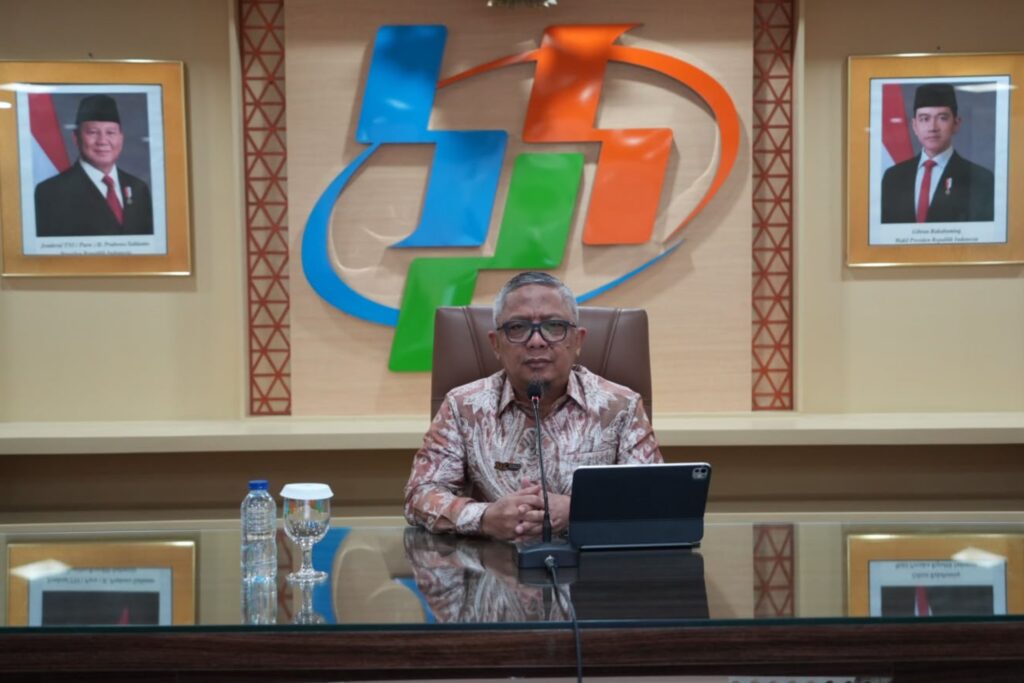
Presenting the data at a press conference on Thursday, Statistics Indonesia (BPS) Deputy Moh. Edy Mahmud said that household consumption grew 5.04 percent year-on-year, up from 4.89 percent in the same period last year, reflecting resilient domestic demand amid global uncertainty.
Household consumption remained the largest component of Indonesia’s gross domestic product (GDP), accounting for 51.97 percent of total output. It also contributed 47.8 percent of overall economic growth, Edy said.
“Household consumption grew as demand for food commodities increased. It was also supported by greater household mobility, driven by several sporting and cultural events held last quarter,” Edy said.
He added that other GDP components, including government consumption, investment and exports, also recorded growth in the third quarter.
Government consumption grew 8.95 percent, primarily driven by disbursements of the 13th-month salary and the expansion of the Free Nutritious Meals (MBG) program, Edy said.
MBG is one of President Prabowo Subianto’s flagship programs, under which the government provides nutritious meals to students, toddlers and breastfeeding mothers to improve nutritional intake and reduce stunting.
As of October 2026, the program had reached over 58 million beneficiaries, up sharply from around 37 million a year earlier. The government aims to expand coverage to almost 83 million beneficiaries by the end of this year.
Beyond MBG, Edy said other government flagship programs had generated positive multiplier effects across economic sectors. The construction sector, for example, grew 6.42 percent year-on-year, supported by the acceleration of government priority projects, including the Red-and-White Village Cooperatives (KDKMP).
The government aims to establish 30,000 to 40,000 KDKMP units this year, which are expected to serve as new economic hubs in rural areas by improving access to subsidized goods and super-micro financing. They are also expected to act as offtakers for products from micro, small and medium enterprises (MSMEs) and local farmers.
“The positive growth in the construction sector is primarily driven by the realization of the government’s infrastructure projects, such as KDKMP, subsidized housing and school renovations,” he added.
During the press conference, he also noted that investment and exports also booked solid annual growth in the third quarter, expanding 6.06 percent and 4.59 percent, respectively.
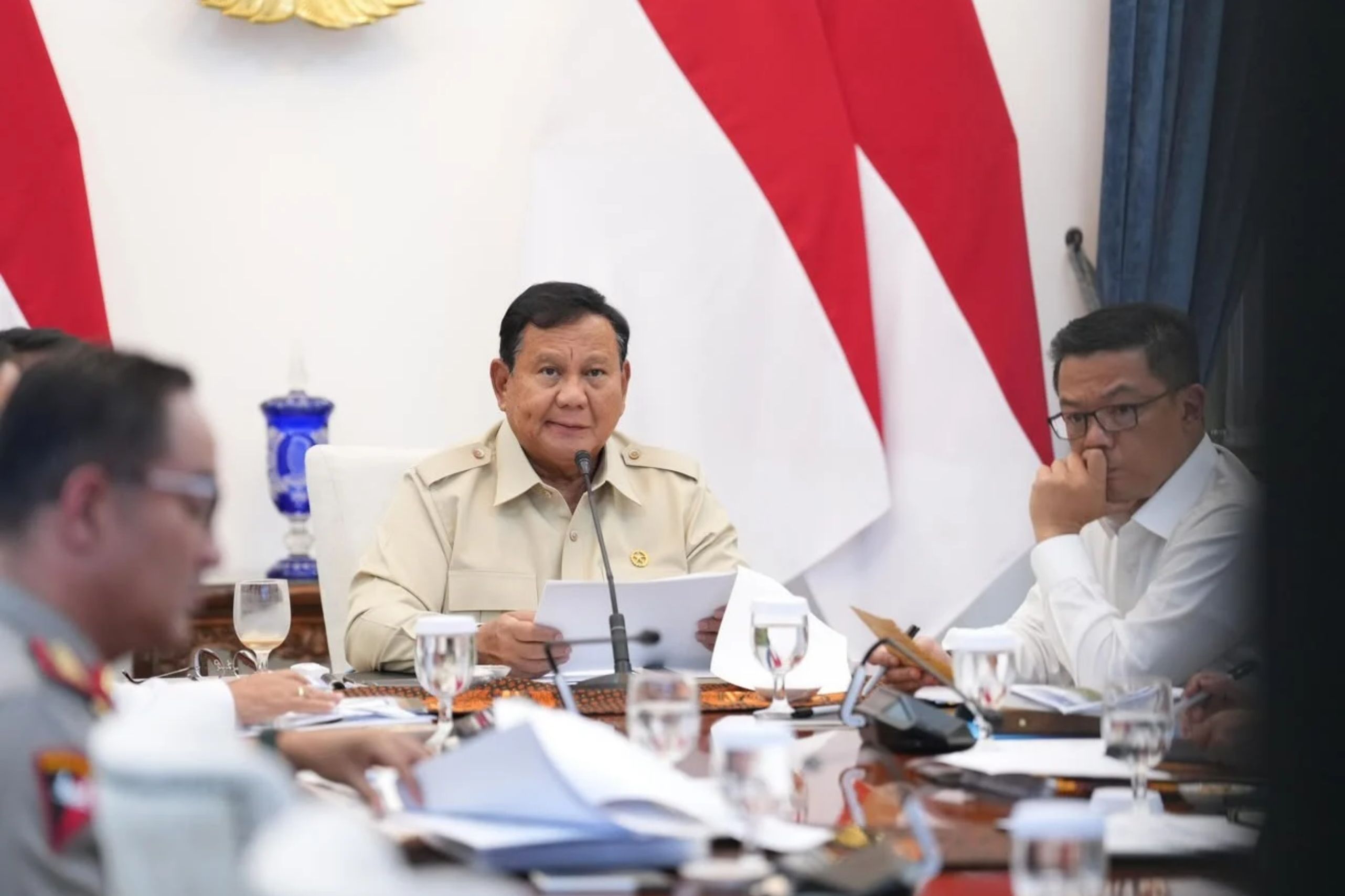
Coordinating Minister for Economic Affairs Airlangga Hartarto said the growth reflected Indonesia’s economic resilience amid global uncertainty. It brought the country’s year-to-date growth to 5.45 percent, he added, putting Indonesia ahead of several other G20 economies, including China, South Korea and Japan.
To maintain the growth momentum in the final quarter of this year, Airlangga said the government would continue to support domestic consumption and purchasing power through several stimulus measures.
These include a food assistance program providing 10 kilograms of rice to 33.24 million beneficiaries, particularly low-income households, and a wage subsidy program targeting 13.3 million workers earning less than Rp3.5 million (around USD 193) a month.
The government would also offer incentives to boost mobility during the Christmas and New Year holidays, which include a 100 percent value-added tax discount on domestic economy-class airfares for 3.75 million passengers and a 30 percent discount on train tickets for 1.04 million passengers.
“The 5.47 percent growth in the third quarter shows that what the government, under President Prabowo’s leadership, has been doing is on the right track,” he said. “We have been able to maintain strong economic fundamentals and investment growth despite the global challenges we are facing,” Airlangga added.